A Danish Sick Day Does Not Begin With an Apology Tour

Denmark treats illness as a shared risk, but not every worker gets unlimited full pay. Here are the real rules, benefit cap and U.S. contrast.
The Nordic Model, democratic socialism, taxes, welfare, health care, unions and the institutions behind Denmark’s social democracy.
Denmark treats illness as a shared risk, but not every worker gets unlimited full pay. Here are the real rules, benefit cap and U.S. contrast.
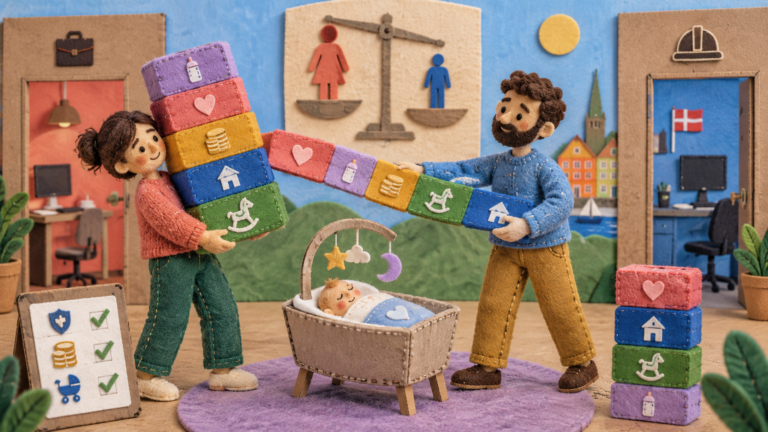
Denmark gives most working parents paid time with a new child. Here is the useful 2026 version: 24 weeks each, earmarked weeks, capped benefits and paperwork.
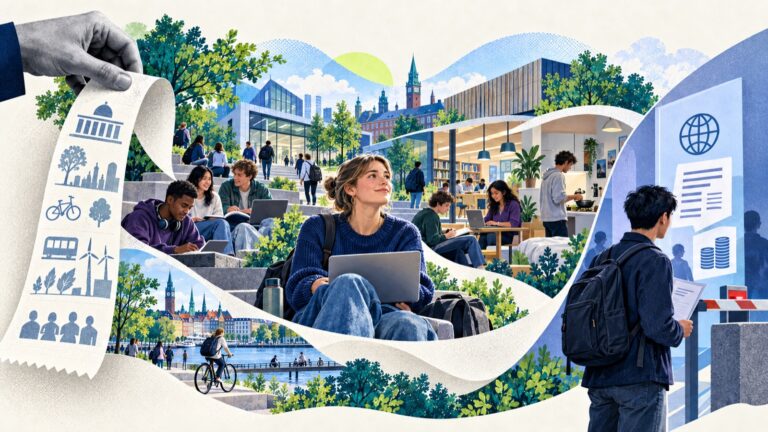
Denmark moved much of the college bill from the student to the public budget. Here is who studies tuition-free, who still pays and how SU works.

The Nordic countries share public services, strong labor institutions and market economies. They do not share one blueprint—and Norway cannot lend you its oil.
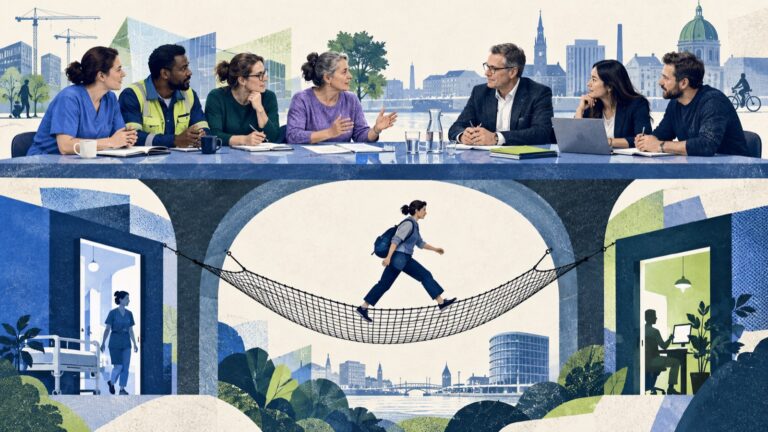
Denmark’s labor model combines powerful unions, collective bargaining and flexicurity. It is capitalism forced to share the meeting room.
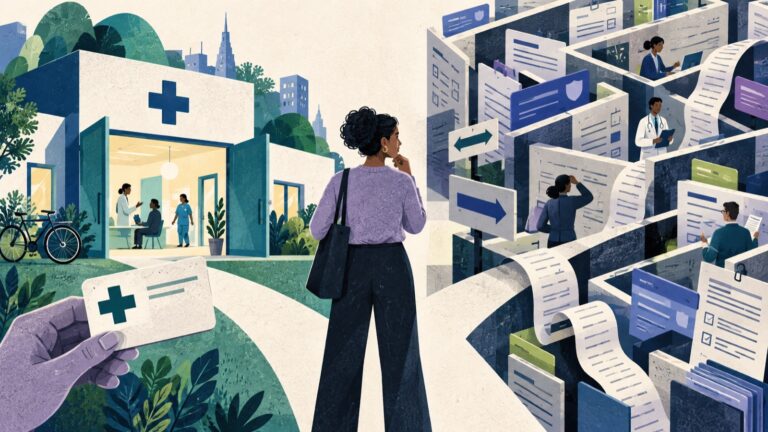
Denmark’s health care is paid through taxes, not magic. Here is what residents get, what they still pay for, and where the system fails.
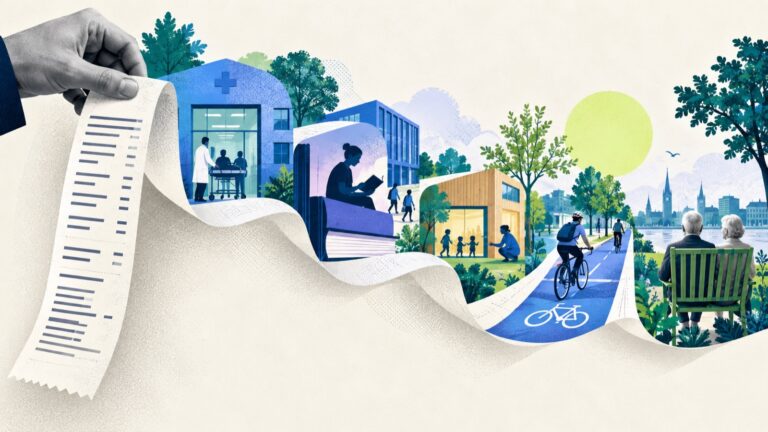
Denmark’s taxes are high. The average worker’s burden is less apocalyptic than the internet claims—and the bill buys real freedom.
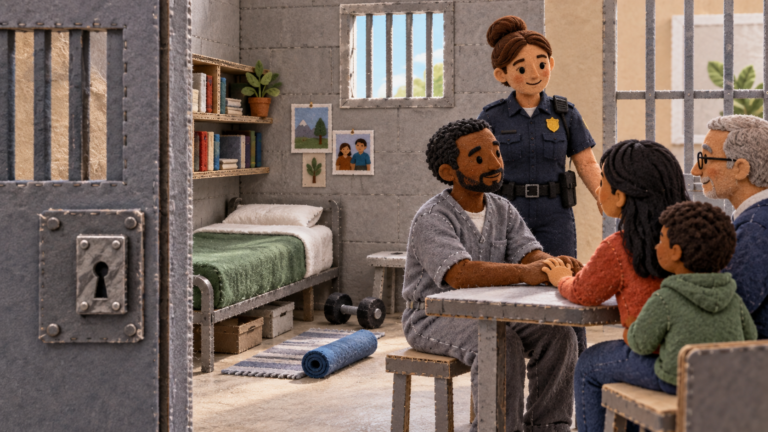
Denmark uses open prisons, work, education and supervised release to prepare people for life after punishment. The system is humane—and under real pressure.
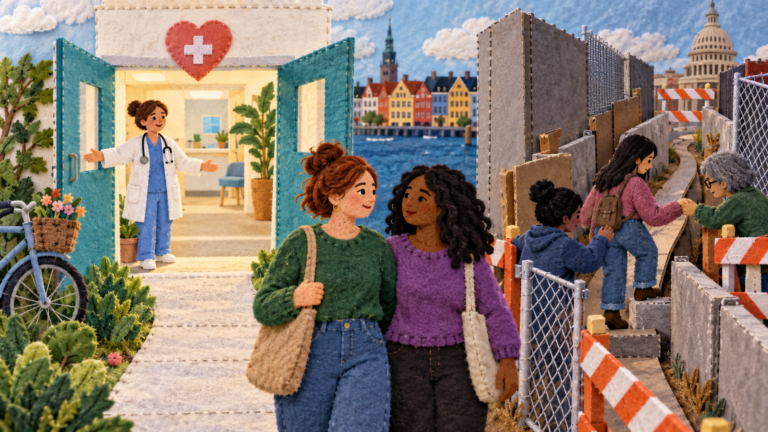
Denmark expanded self-determined abortion to 18 weeks and gave 15–17-year-olds privacy. Here is what changed, what did not, and why Greenland still has a different law.