The Danish Trust Story—and the People It Leaves Out
Denmark’s famous trust is real. It is built by institutions, shared welfare and predictable rules—and the national average still leaves people out.

Denmark’s famous trust is real. It is built by institutions, shared welfare and predictable rules—and the national average still leaves people out.
Hygge is not Danish for buying beige. Learn what it actually means, where the word came from and why comfort can include—or exclude—people.
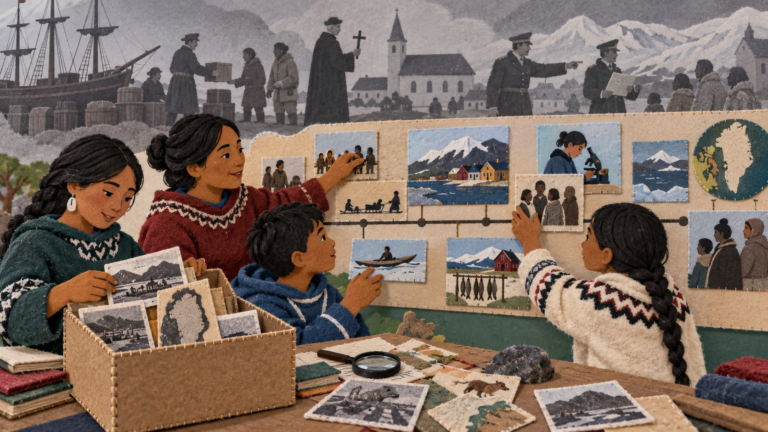
Denmark built hospitals, schools and housing in Greenland—and kept too much power in Copenhagen. Here is the colonial record behind the polite vocabulary.
Greenlandic independence is a democratic argument about law, money, welfare and time. Here is what the 2025 vote, five parties and Section 21 actually mean.
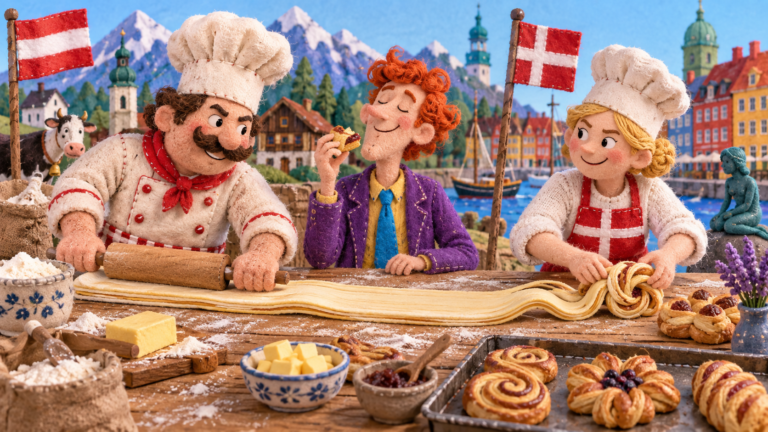
The pastry Americans call a Danish is Austrian by ancestry, Copenhagen by upbringing and American by stage name. Here is the history beyond the bakery-strike myth.
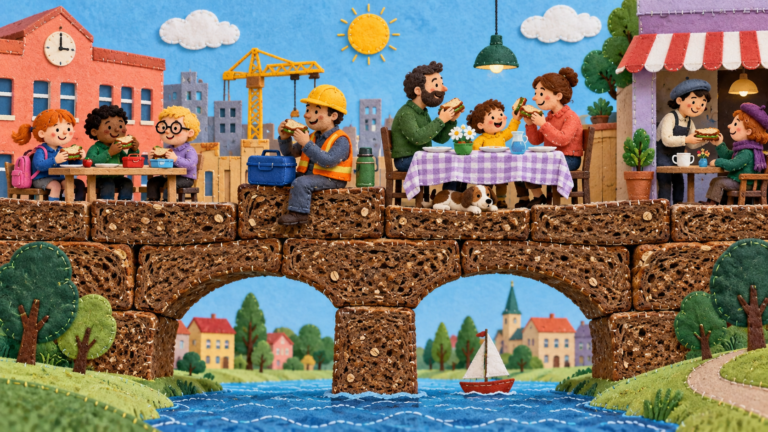
Danish rye bread carried lunch long before it became food tourism. Learn its history, whole-grain politics and how to bake and eat it in America.
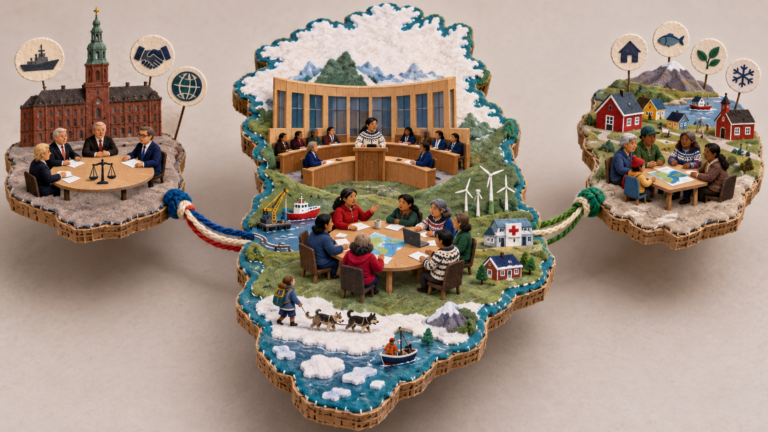
Greenland has its own parliament, government and municipalities while Denmark retains specific powers. Here is the clear map of who decides what.

Denmark treats illness as a shared risk, but not every worker gets unlimited full pay. Here are the real rules, benefit cap and U.S. contrast.
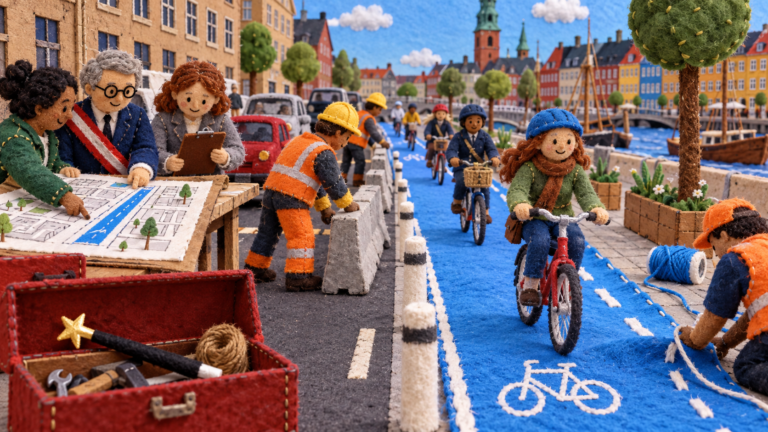
Copenhagen made cycling ordinary through protected routes, public money and political choices. The latest numbers also show where the bike city still fails.
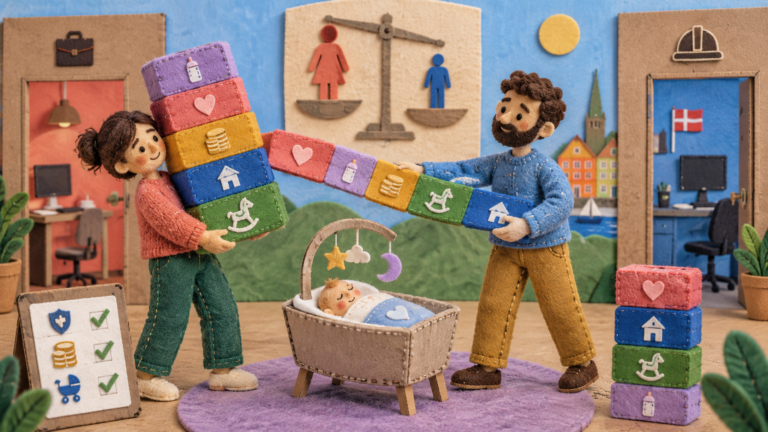
Denmark gives most working parents paid time with a new child. Here is the useful 2026 version: 24 weeks each, earmarked weeks, capped benefits and paperwork.